Bristow Sees Helicopter Parts Delays Hitting SAR Margins and Fleet Availability
| Shelf | Business & General Aviation |
|---|---|
| Date in | |
| Readers | 992 |
Parts delays are slowing AW189 and AW139 modifications, adding costs for Bristow as it expects supply conditions to stabilize in 2027.
Parts delays are weighing on Bristow Group’s aircraft availability, contract transitions and margins, with search and rescue (SAR) operations among the hardest hit. Chief executive Chris Bradshaw says the company expects supply conditions to stabilize in 2027, but late components are already driving extra maintenance work and costs.
The pressure has shifted from the Sikorsky S-92 main gearbox problems Bristow has faced before toward Leonardo Helicopters and its AW189 and AW139 fleets. Bradshaw described the broader delivery pattern while Bristow presented its third-quarter results on 4 November: on-time deliveries by helicopter manufacturers have fallen by 20% since 2020. When delivery dates slip, he said, the delays can stretch for extended periods.
Parts delays complicate SAR contract transitions
Long waits for components have extended maintenance downtime and reduced the number of aircraft available for service. Bristow has responded by increasing inventory and putting other mitigations in place, all of which add cost. Those measures have not prevented key components from arriving late or taking longer than expected to move through suppliers, Bradshaw said.
The most acute effects are in Bristow’s public service work, which includes SAR operations in the UK and Republic of Ireland. Slow parts deliveries have delayed aircraft modification programmes tied to new SAR contracts, holding back margins as the company works through the transitions.
On the Irish SAR contract, customer penalties for missing aircraft availability targets lowered quarterly revenue by $0.7 million. Bradshaw said that figure captures only a small part of the financial effect. Delayed aircraft and modifications can limit revenue opportunities, while staff spend time chasing parts and maintenance teams draw components from other aircraft to keep serviceable helicopters flying.
The operational knock-on effects also include delayed aircraft lease returns, extra retained staff, overtime and outsourced maintenance support. Together, those costs show how a missing component can affect several parts of a contract at once: the aircraft may stay in maintenance longer, planned work may be rescheduled, and crews and support teams must adapt to the available fleet.
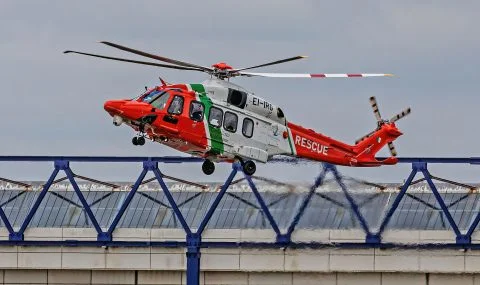
Aircraft types vary across the contracts. Bristow deploys AW189s on its Irish SAR service. Its UK SAR2G operation uses AW189s and AW139s, as well as S-92s. That mix gives the parts problem a reach across several helicopter types, while the delayed modifications add pressure during the introduction of new services.
Leonardo is increasing supply chain investment
Bradshaw singled out Leonardo’s supply chain challenges but said Bristow has been working with the manufacturer on ways to address them. The companies have held working sessions in Italy, including at the production line, and at Bristow’s bases. Leonardo representatives have also joined meetings with Bristow’s customers to explain the issue directly, Bradshaw said.
Among the steps Leonardo is taking, Bradshaw pointed to investment intended to build inventory. He also cited a change in sourcing for windshields, which have remained difficult to obtain: the manufacturer is moving from a single source to three sources. The aim is to give the supply of this component more resilience.
That work may help address the repeated delays, but Bristow is still dealing with their immediate effects. Building inventory takes time, and bringing in additional sources does not by itself clear maintenance backlogs or complete delayed aircraft modifications. For operators, parts availability affects the number of aircraft ready for a contract as well as the time and labor needed to keep the fleet running.
Quarterly revenue rises as supply pressures persist
Bristow’s public service segment generated $130 million in the three months to 30 September. A $16.9 million contribution from Berry Aviation, acquired in July, helped drive the segment’s revenue. Bradshaw remains confident that supply conditions will stabilize in 2027, which he expects to support a return to historically strong margins in the business.
Across Bristow, revenue totaled $437 million and EBITDA was $89.6 million. Both figures were higher than in the preceding quarter, when revenue was $411 million and EBITDA was $79.8 million. The offshore oil and gas business, historically Bristow’s core operation, produced $256 million in revenue, down $5.6 million from the second quarter.
The results put the parts delays in context: Bristow grew total revenue quarter on quarter, while the SAR contract transition costs and availability penalties continued to weigh on one segment. The next marker to watch is whether Leonardo’s inventory and sourcing work improves component flow enough for Bristow to finish modifications, restore aircraft availability and reduce the additional support costs it has described.
The post Bristow bemoans continued helicopter supply chain malaise first appeared on FlightGlobal.