Heathrow Third Runway Plans Face Calls for More Cost, Climate and Noise Analysis
| Shelf | Airlines & Routes |
|---|---|
| Date in | |
| Readers | 389 |
A UK Transport Committee says Heathrow’s expansion case needs stronger economic, climate, noise and air-quality analysis before plans advance.
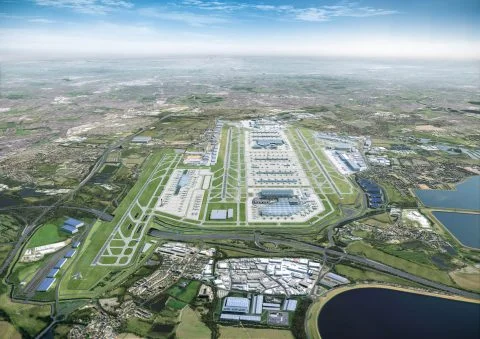
The case for a third runway at London Heathrow is still missing key evidence on cost, climate impact and the effects on nearby communities, the UK Transport Committee says. Its report, released on 26 November, calls for the expansion plans to return to an earlier stage while the Department for Transport (DfT) fills gaps in its draft policy statement.
The committee’s assessment puts the focus on what must be established before the proposed runway can proceed: the full cost of expansion, how it would affect airlines and passengers, and whether the project can meet tests on noise, air quality and climate. The report also says the DfT did not allow enough time to produce its most complete economic analysis.
Committee chair Ruth Cadbury said the government had not set out an overall aviation strategy before publishing the draft Heathrow Expansion National Policy Statement (HENPS). In her view, that sequence left the expansion case incomplete. The committee wants ministers to provide more robust analysis and clarify what would happen if decarbonisation goals are missed.
Climate and economic questions remain
The draft HENPS was published on 18 June, with comments invited until 1 September. It asked whether, and in what form, a third runway could satisfy tests covering noise, air quality, climate and economic growth. The committee’s report argues that the material presented so far does not resolve those questions well enough to support the project.
A particular concern is the relationship between added airport capacity and the UK’s climate targets. The Climate Change Commission concluded in September that Heathrow expansion was incompatible with those targets under the current policy framework. The committee describes that conclusion as a “damning verdict” and says it cannot be overlooked. It calls for the policies needed to accommodate the expansion’s climate impact to be put in place, alongside a clear account of the consequences if decarbonisation goals are not achieved.
That leaves a central issue for any next version of the proposal: showing how the additional capacity would fit within the climate framework, and what measures would apply if progress toward emissions goals fell short. The report does not present a resolution to that issue. Instead, it says the supporting analysis and policy arrangements need further work before the plans advance.
Economic detail is another unresolved part of the case. The committee wants the full costs of building the runway clarified, as well as the costs that airlines and passengers would face in using an expanded Heathrow. That distinction matters to the airport’s operators and customers: a project’s construction bill is not the same as the charges or other costs that could affect airport users. The report calls for those costs to be “bottomed out,” but does not provide figures.
Noise, air quality and surface access
The committee also wants stronger tests for air quality and noise. Those assessments would need to explain how the expansion would be judged against its effects, rather than leave key standards uncertain in the draft policy statement. The report does not specify revised thresholds, so the details of any strengthened tests remain to be developed.
Public transport is part of the same planning picture. The committee says plans for improving transport access should be developed if a third runway is to be built. For passengers, staff and airport operators, surface access affects how people reach Heathrow as well as the pressure placed on surrounding transport networks. The committee’s call makes that provision part of the expansion case, though its report does not set out a particular service plan or timetable.
Cadbury said the runway plans should be “grounded for now” while the government returns to the drawing board. Her requested next steps are stronger air-quality and noise tests, a fuller account of costs, improved public-transport plans and policies addressing the climate impact. The committee is asking for the analysis to be completed before further progress on the proposed expansion.
Heathrow maintains its support for expansion
Heathrow chief executive Thomas Woldbye rejected the committee’s view that the case had not been made. He said the airport remained committed to delivering a third runway and argued that support for expansion remained strong among trade unions, business groups, airlines, regional airports, senior cabinet ministers and most MPs.
Woldbye said those supporters see expansion as a way to create quality jobs and contribute to long-term economic growth across the UK. He also described the proposal as having received unusually extensive examination for a major infrastructure project. His position is that attention should now turn to delivering the privately financed project, subject to tests covering affordability, financeability and sustainability.
The airport’s continued backing and the committee’s request for more evidence leave the proposal at a clear point of disagreement. Heathrow says the project is ready to move toward delivery; the committee says the draft case needs further work on economic analysis, climate, noise, air quality, public transport and user costs. The next substantive step is for the DfT to address those gaps in the expansion plans.