Virgin Australia 737-800 Landed Long at Gold Coast After High Approach and Poor Runway Visibility
| Shelf | Aircraft & Manufacturing |
|---|---|
| Date in | |
| Readers | 818 |
A late QNH change and rain-obscured touchdown markings contributed to VH-YQM touching down 1,175m beyond Gold Coast’s displaced threshold.
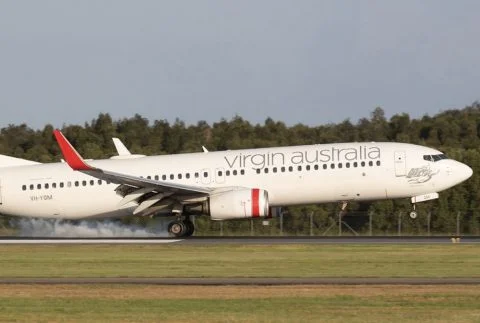
A high approach, an unnoticed pressure-reference change and rain-obscured runway markings combined to push a Virgin Australia Boeing 737-800’s touchdown well beyond the start of the available landing distance at Gold Coast Airport. The aircraft, registration VH-YQM, landed on 24 January 2023 and stopped on the runway, with the captain’s braking response likely preventing an overrun.
The jet approached runway 32, which is 2,492m long. A permanently displaced threshold left 2,042m available for landing. Flight data showed the aircraft touched down 1,175m beyond that threshold, leaving 867m of the available runway after touchdown. It slowed and vacated within the remaining length.
A pressure reference changed before landing
About 11 minutes before the landing, the local QNH pressure reference changed. The crew was not told, and the automatic terminal information service was not updated. The altered reference meant the aircraft was about 35ft higher than its instruments indicated. As a result, it crossed the runway threshold about 37ft above the correct glidepath.
QNH is the pressure setting pilots use to make the aircraft’s altimeter read altitude relative to mean sea level. A change can affect the altitude shown in the cockpit. In this case, the difference between the indicated height and the aircraft’s actual position contributed to an approach that was higher than the crew’s instruments suggested. That left less room to correct the flight path before touchdown.
The crew had the runway in sight at 500ft, but the inquiry considered it likely that the pilots continued to rely on instrument glidepath information rather than monitoring the precision approach path indicator lamps beside the runway. Those lamps provide a visual indication of the aircraft’s position relative to the approach path. A difference between that visual cue and the instrument information could have prompted the crew to reassess the approach.
Wet markings became difficult to see in the flare
The first officer was flying the aircraft and began the flare at 44ft, about twice the typical height. The flare is the transition from descent to landing: the pilot raises the nose to reduce the descent rate as the aircraft reaches the runway. Starting it high can extend the distance travelled before the wheels touch down.
The pressure-reference discrepancy and the early flare together added 850m to the aircraft’s horizontal travel before touchdown. The resulting landing point was about 550m beyond the last point in the touchdown zone. That left the aircraft well into the available runway before it made contact with the surface.
The crew recalled seeing runway markings on late final approach, but reported that they could not see the touchdown zone markings once the aircraft was in the flare. The inquiry said a film of water likely made the runway surface reflective. Against the dark night conditions, that reflection probably obscured the painted markings that could have helped the pilots judge how far along the runway the aircraft was.
That loss of visual information mattered at a point when the aircraft was already high and travelling farther than expected before touchdown. The inquiry identified two opportunities to consider a go-around: the discrepancy between the instruments and the approach path indicator lamps, and the loss of visual reference to the aircraft’s position along the runway. A go-around would have meant discontinuing the landing attempt and climbing away for another approach.
Captain took control after touchdown
After the wheels touched down, the captain likely recognised that the runway remaining was insufficient for the selected autobrake setting. The captain took control and applied maximum braking. The inquiry assessed those actions as likely preventing a runway overrun. No one was injured.
The inquiry also described the crew as facing a prolonged period of high workload, which probably affected performance. It considered the captain likely to have been fatigued as well. These factors formed part of the circumstances surrounding the landing, alongside the pressure-reference change, the high approach and the reduced visibility of the touchdown zone markings.
The sequence shows how several cues can converge during a short, demanding phase of flight. The height discrepancy called for attention to the approach path, while the wet, reflective surface made runway-position cues harder to pick out during the flare. Once the aircraft landed long, the remaining runway and the selected braking response became immediate concerns.
VH-YQM stopped and exited the runway within the available distance. The inquiry’s findings identify the pressure change and the obscured markings as key parts of the event, while also pointing to workload and fatigue as factors that likely affected the crew’s performance. The reported landing distance and braking response make the central operational takeaway clear: a late approach discrepancy can leave little time to recover before touchdown, especially when visual runway cues fade in wet, dark conditions.